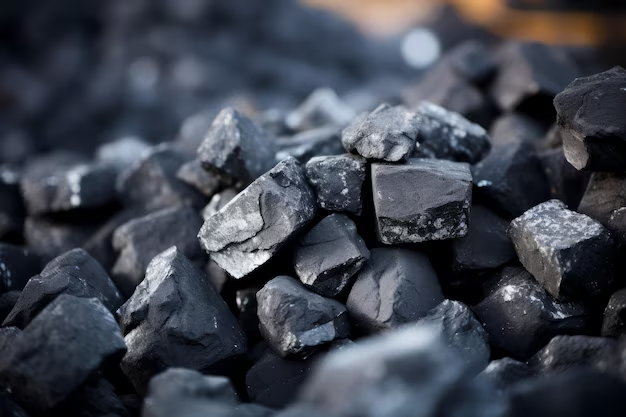
Characteristics of Prime Hard Coking Coal
Prime hard coking coal is distinguished from other types of coal by its unique characteristics. It has a high carbon content and low sulfur and ash content, which are desirable traits for producing quality steel. Additionally, it has strong caking properties, meaning it can form a solid mass when heated, which is essential for the coking process.
The Significance of Prime Hard Coking Coal in Steel Production
Steel production is a major industrial process that underpins the construction and manufacturing sectors worldwide. Prime hard coking coal plays an indispensable role in this process. Without it, the production of high-quality steel would be far more challenging and costly.
The Coking Process
During the coking process, hard coking coal is converted into coke by heating it at high temperatures in a coke oven. This process removes moisture and volatile substances, resulting in a solid, carbon-rich product. The coke is then used in blast furnaces where it acts as a fuel and as a source of carbon for reducing iron ore to produce molten iron. The quality of coke directly impacts the efficiency and output of the steel production process.
Market Dynamics of Hard Coking Coal
The market for hard coking coal is influenced by a multitude of factors, including global demand for steel, production levels of coal, and geopolitical events. These dynamics can lead to fluctuations in coal prices, which impact the cost of steel production and, consequently, the price of steel products.
Coal Prices and Economic Indicators
Hard coking coal prices are closely watched by industry analysts as they are a key economic indicator. The prices are determined by supply and demand factors, as well as transportation costs, currency exchange rates, and government policies related to mining and environmental protection.
Investing in Hard Coking Coal
For investors, hard coking coal presents an opportunity, albeit one that comes with risks associated with market volatility and environmental regulations. Understanding the market trends and the role of coal in steel production is essential for making informed investment decisions.
Considerations for Investors
When considering investments in hard coking coal, it’s important to assess the stability and policies of coal-producing regions, the demand for steel, and the potential for technological advances that may disrupt the market. Additionally, investors should be mindful of the environmental and regulatory risks that could affect the profitability and sustainability of coal investments.
Conclusion
Prime hard coking coal remains a crucial ingredient in steel production, a material that builds our cities and powers our economies. Despite the challenges posed by environmental concerns and market volatility, it continues to be a commodity of great interest to industry stakeholders and investors alike.
As the world gradually transitions to greener energy and manufacturing processes, the role of hard coking coal may evolve, but for now, its importance in the steel-making process is undisputed. By staying informed about market dynamics and technological developments, we can better understand the future trajectory of this vital resource.