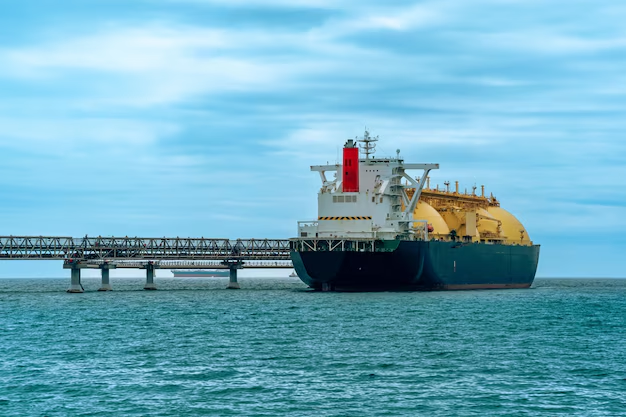
Since it is composed primarily of methane (around 90%), LNG is odourless, colourless, non-toxic and non-corrosive. If spilled, it instantly evaporates and dissipates into the atmosphere, leaving no residue to be cleaned up. Also, if spilled on water, LNG will float and then evaporate without having any ill effects on the ocean’s ecosystem.
How can more people gain acces to LNG?
Small-scale liquefaction plants can move the production of LNG closer to the place of consumption. Not only will this decrease transportation costs and LNG product costs for consumers, it will also make it possible for businesses and communities without access to the gas grid to benefit from using natural gas. Small-scale LNG plants can also help adjust the availability of natural gas to the seasonal fluctuations in demand.
Unlike diesel and HFO, LNG does not require extensive clean-up in the unlucky situation of a spill. The natural gas simply evaporates and dissipates into the atmosphere, leaving no residue whatsoever in water or on soil to the benefit of surrounding ecosystems and water systems. As for costs, LNG is also simpler and more economical to produce than other conventional fuels. Its price is therefore more stable, enabling businesses to more accurately forecast energy costs.
With its clean burning, low CO2 content and ease of transportation, LNG is an effective energy choice for businesses that are concerned about both costs and sustainability.